
5 Signs You Need Window Replacement in McPherson Before Winter
Cold air has a way of finding the weak spots in a house. In McPherson, that often becomes obvious once fall winds pick up and winter starts moving toward central Kansas.
Windows play a bigger role in winter comfort than many homeowners realize. They help keep heated air inside, block drafts, reduce moisture problems, and protect the framing around your home. When they start to fail, your house may feel colder, your furnace may run longer, and rooms near older windows can become noticeably uncomfortable.
The tricky part is that failing windows do not always look broken. Some still open. Some still lock. Some may even look fine from across the room. The warning signs often show up in small, everyday frustrations.
If you are wondering whether to schedule window replacement in McPherson before colder weather settles in, these five signs are the ones to watch.

1. You can feel a draft around your windows
A draft is one of the clearest signs that a window is no longer doing its job.
On a cool or windy day, walk through your home and place your hand near the edges of each window. Check along the bottom sash, side rails, meeting rail, and trim. If you feel cold air moving through, the window may have gaps, worn weatherstripping, loosened caulk, or frame movement.
Drafts can happen for several reasons:
The window sash no longer fits tightly in the frame
Weatherstripping has dried out, cracked, or compressed
Caulk around the exterior has failed
The frame has shifted over time
Older window designs do not seal as tightly as newer units
In a Kansas winter, even a small gap can make a room feel colder than the thermostat says. The furnace may keep running, but the space near the window still feels uncomfortable.
A simple test can help. Stand near the window during a windy day and slowly move your hand around the frame. You can also look for moving curtains, chilly trim, or areas where dust collects along the sash. Dust lines can form where outdoor air slips through.
A draft does not always mean the window must be replaced right away. Sometimes new caulk or weatherstripping helps. But if multiple windows leak air, or if the frames and sashes are worn, replacement may be the better long-term fix.
New replacement windows in McPherson, Kansas can create a tighter seal and help reduce unwanted air movement before winter weather arrives.
2. You see condensation or fog between the glass panes
Some window condensation is normal. Moisture can form on the inside glass when indoor humidity is high and outdoor temperatures are low. Condensation can also appear on the outside glass under certain weather conditions.
The bigger concern is moisture trapped between the panes of glass.
If your window looks cloudy, hazy, or foggy inside the glass unit, the seal may have failed. Many modern windows use insulated glass units with two or more panes. The sealed space between the panes helps improve thermal performance. Once that seal breaks, moisture can enter the space and stay there.
Common signs of seal failure include:
Fog that does not wipe away from either side
Water droplets between panes
A cloudy film inside the glass
Mineral-like streaks between panes
Condensation that appears and disappears with temperature changes
A failed glass seal does not always create a major draft, but it can reduce the window’s insulating value. It also affects appearance. A window that stays foggy can make a room feel dimmer and older, even if the rest of the space is well maintained.
If only one sash has failed, glass replacement may be an option in some cases. If several windows have fogging, or the windows are already aging, full replacement may make more sense before winter.

3. Your windows are difficult to open, close, or lock
Windows should open, close, and lock without a fight. If you have to force a sash upward, push hard to close it, or struggle to line up the lock, something is wrong.
This problem is more than an inconvenience. A window that does not close fully may also fail to seal properly. That can let cold air, moisture, and noise enter your home.
Sticking windows can come from several issues:
Warped frames or sashes
Paint buildup on older wood windows
Broken balances or hardware
Swelling from moisture exposure
Foundation movement or settling
Rusted or worn tracks
In fall, these problems can become more noticeable. Temperature swings cause materials to expand and contract. A window that barely worked in summer may become harder to operate when cooler weather sets in.
Locks deserve special attention. If the lock cannot pull the sash tightly together, the window may leak air even when it appears closed. A loose or misaligned lock also affects home security.
Check each window before winter. Open it fully, close it, and lock it. Pay attention to scraping sounds, uneven movement, gaps at the meeting rail, or locks that do not catch.
If one window sticks because of paint or minor hardware wear, a repair may solve it. If several windows are hard to use, replacement may be the safer and more practical choice.
4. Certain rooms feel colder than the rest of the house
Every home has natural temperature differences. A north-facing bedroom may feel cooler than a sunny living room. A finished basement may have a different feel than an upstairs space.
Still, windows can be a major reason some rooms never feel comfortable in winter.
If you notice that one room is always chilly, look at the windows first. Older or inefficient windows can lose heat through the glass, leak air around the frame, or allow cold surfaces to chill the room. Even if the furnace works well, you may feel cold when sitting near the window.
Warning signs include:
A room feels cold even when the thermostat is set normally
The floor near the window feels chilly
Curtains move slightly when the wind blows
The glass feels very cold to the touch
Furniture near the window feels uncomfortable in winter
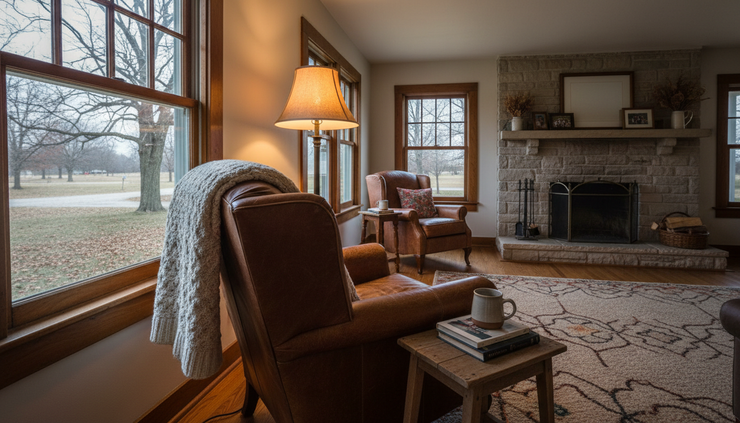
This can be common in living rooms, bedrooms, and home offices where people spend long periods near exterior walls. A drafty window in a rarely used room may go unnoticed. A drafty window beside a favorite chair becomes obvious fast.
Uneven comfort can also point to insulation, ductwork, or HVAC issues, so the window may not be the only cause. But if cold spots line up with older windows, they deserve a closer look.
Energy bills can offer another clue. If heating costs seem higher than expected and your furnace runs often, inefficient windows may be part of the problem. New windows alone will not solve every comfort issue, but they can help reduce heat loss and air leaks when properly installed.
5. You notice damage around the frame, sill, or trim
Some window problems are easy to miss because they develop slowly. Frame damage, water stains, and soft wood may start small, then spread with repeated exposure to rain, snow, ice, and humidity.
Before winter, inspect the area around each window inside and outside. Look closely at the sill, trim, sash, and surrounding wall.
Watch for these signs:
Peeling paint near the window
Soft or spongy wood on the sill
Cracked or missing exterior caulk
Water stains on interior trim or drywall
Mold or mildew around the frame
Gaps between the window and siding
Rot at the bottom corners of the frame
Insects entering through small openings
Moisture damage matters because winter can make it worse. Water can seep into cracks, freeze, expand, and open gaps even more. Over time, this can affect the window opening and nearby materials.
A damaged frame can also make sealing difficult. You can apply caulk, but if the wood underneath is deteriorating, the fix may not last. In that case, replacement can address both the window performance and the damaged surrounding components.
Pay close attention to windows that face prevailing winds or receive heavy rain. In McPherson and across central Kansas, wind-driven rain and winter weather can test weak points around exterior openings.
Why fall is the right time to decide
Waiting until the first hard cold snap can make window problems harder to ignore, but it can also make the project more urgent. Fall gives you time to inspect, compare options, and schedule work before winter weather complicates the process.
There are practical benefits to handling window replacement before winter:
Installation is often more comfortable during mild weather
Drafts can be addressed before temperatures drop
Damaged frames can be repaired before snow and ice arrive
You get a clearer picture of which rooms need attention
Your home is better prepared for windy winter days
Fall also gives you a chance to separate minor maintenance from bigger issues. A little worn caulk may be a simple repair. Multiple drafty, fogged, or damaged windows point to a larger problem.

What to check before scheduling window replacement
Before calling for an estimate, walk through your home and make a simple list. This helps you explain what you are seeing and prioritize the worst areas.
Check each window for:
Drafts around the sash or frame
Fog or moisture between panes
Trouble opening, closing, or locking
Cold spots nearby
Damaged trim, sill, or caulk
Outside gaps or visible wear
Water stains inside
Mark which rooms feel the coldest during fall and winter. Note which windows you use often, such as bedroom windows or windows near sitting areas. Also look at windows you rarely open, since problems there can go unnoticed for years.
If you are replacing several windows, think about your goals. Comfort may matter most in bedrooms and living areas. Easy operation may be a priority for second-story rooms. Curb appeal may matter for front-facing windows.
A good window consultation should include measurements, condition checks, style options, and a clear explanation of what needs to be replaced and why. You should not feel rushed into replacing every window unless the condition truly calls for it.
The best next step before winter arrives
Kansas winter has a way of exposing window problems. Drafts feel sharper. Fogged glass becomes more obvious. Sticking windows become more frustrating. Cold rooms stay cold no matter how often the furnace runs.
The best time to deal with those problems is before winter fully sets in.
A warmer, tighter home begins with knowing where the cold air is getting in. Check your windows now, while there is still time to fix the problem before the next McPherson winter.


Comments