
8 Signs Your Windows Need Attention Before Fall
Summer has a way of exposing weak spots around the house. A room that never cools down, a window that sticks after a humid week, or a foggy pane that will not clear can all point to the same place: your windows.
Heat, direct sun, heavy rain, humidity, and constant air conditioning put stress on window glass, frames, seals, and hardware. By the time summer winds down, small issues often become easier to see.
Here are eight signs your windows may need attention now.

1. Your windows are sticking
A window should open and close without a struggle. If it sticks, jams, drags, or refuses to latch, do not ignore it.
Heat and humidity can cause some window materials to expand. Older frames may also shift over time as the house settles. Paint buildup, worn hardware, bent tracks, and swollen wood can make the problem worse.
A sticky window is more than an annoyance. It can affect:
Ventilation, especially when you want fresh air in the evening
Security, if the window does not close or lock correctly
Energy performance, if the sash does not sit tightly in the frame
Emergency access, if a window needs to be opened quickly
Try cleaning the tracks and checking for visible debris first. If the window still catches or will not stay open, the problem may be tied to the frame, sash, or balance system. A professional inspection can help determine whether new hardware, adjustment, repair, or replacement makes the most sense.
2. You notice condensation between the panes
Moisture on the outside of the glass is not always a problem. On humid mornings, exterior condensation can happen when the glass is cooler than the outdoor air. Interior condensation may also appear when indoor humidity is high.
The bigger concern is fog, haze, or droplets trapped between panes of glass.
Many modern windows use insulated glass units with two or more panes. The space between panes helps slow heat transfer. When the seal around that glass unit fails, moisture can enter the space. Once that happens, the window may look cloudy even after you clean both sides of the glass.
A failed seal can reduce comfort and visibility. It also signals that the window is no longer performing as designed. Full window replacement may be the better long-term fix.
3. Your frames look warped or damaged
Take a slow walk around your home and look closely at each window frame. Summer weather can make existing damage stand out, especially after weeks of sun, heat, rain, and humidity.
Look for these warning signs:
Cracked or peeling paint
Soft or spongy wood
Warped or bowed frame sections
Gaps between the frame and wall
Crumbling caulk
Rusted or loose hardware
Visible water staining
Frame damage can make it harder for the window to seal tightly. That can lead to drafts, leaks, sticking, and higher energy use. If moisture has entered the frame or surrounding wall, the issue may extend beyond the window itself.
Some surface damage can be repaired with scraping, sealing, painting, or new caulk. But widespread rot, serious warping, or frame movement calls for a closer look. A window that cannot sit square in its opening will struggle to work properly no matter how often it is adjusted.

4. Certain rooms stayed uncomfortably hot
If one room felt much hotter than the rest of the house all summer, the windows could be part of the problem.
Rooms with large west-facing or south-facing windows often get more afternoon sun. Older windows may allow more heat to pass through the glass. Poor seals can also let hot outdoor air slip inside while cooled air escapes.
A hot room does not always mean the window is the only issue, since insulation, ducts, attic heat, and shade also matter. Still, windows are one of the first places to check because the symptoms are easy to spot.
Pay attention to:
Rooms that heat up quickly during the day
Curtains or blinds that feel warm to the touch
Furniture or flooring near the window that feels hot
Air conditioners that run often but do not improve comfort
Bedrooms that stay uncomfortable well into the evening
Energy-efficient window options can help reduce unwanted heat gain. In warm climates, glass coatings and proper installation matter. In places with wide seasonal swings, such as the Midwest, homeowners often compare Kansas window replacement options that can handle hot summers and cold winters.
5. Your energy bills climbed more than expected
A higher electric bill is common during hot weather. Air conditioners work harder in summer, especially during long stretches of heat. But if your bills jumped sharply and your usage habits did not change much, your windows may be contributing.
Inefficient windows can let heat enter during summer and escape during winter. Poor seals, loose sashes, cracked caulk, and aging glass units all make your heating and cooling system work harder.
There are a few simple ways to check for possible window-related energy loss:
Stand near closed windows on a hot day and feel for warm air movement
Look for daylight around the sash or frame
Check whether curtains move when the window is closed
Compare comfort near newer windows and older windows
Inspect caulk and weatherstripping for gaps or shrinkage
A single drafty window may not explain an entire bill increase. Several aging windows across the home can add up. Fixing seals, replacing weatherstripping, or upgrading windows can help reduce the strain on your HVAC system.
6. You feel drafts even when the windows are closed
Drafts are easy to associate with winter, but they can be a summer problem too. If hot air slips in around a closed window, your air conditioner has to fight that extra heat.
Run your hand around the edges of the window on a windy or very hot day. You may feel air moving near the sash, frame, lock, or sill. Some homeowners also notice dust collecting along drafty edges because moving air carries particles inside.
Common causes include:
Worn weatherstripping
Loose locks that fail to pull the sash tight
Gaps in aging caulk
Frame movement
Damaged or missing seals
Poor installation
Drafts can sometimes be fixed with new weatherstripping or caulk. If the sash no longer fits the frame or the frame itself has shifted, repairs may only offer short-term relief. A window that cannot close tightly will keep causing comfort and energy problems.

7. You see water stains, leaks, or moisture damage
Summer storms can reveal window leaks quickly. After heavy rain, inspect the sill, trim, wall, and floor below each window. Even minor stains can point to a larger issue behind the surface.
Signs of moisture trouble include:
Brown or yellow stains on walls or trim
Bubbling paint near the window
Soft drywall
Damp wood on the sill
Musty odors
Mold-like spots
Water pooling inside the track
Leaks do not always come from the window itself. Water may enter through siding, roofing, flashing, or gaps around exterior trim. That said, windows are common leak points when caulk fails, frames crack, or installation problems leave openings.
Do not wait for cooler weather to address moisture. Water intrusion can damage framing, insulation, drywall, and flooring. It can also create indoor air quality concerns if damp materials stay wet.
After a storm, dry the area and document where the water appears. Then check again during the next rain. Repeated leaks need professional attention, especially if the source is not obvious.
8. Outdoor noise seems louder than before
Windows do not block all outdoor sound, but they should reduce it. If traffic, lawn equipment, barking dogs, or nearby activity sounded louder this summer, your windows may not be sealing well.
Noise can pass through gaps around the frame or sash. It can also become more noticeable when glass seals fail or when older single-pane windows reach the end of their useful life.
This sign often shows up with others. A noisy window may also be drafty, hard to latch, or visibly worn. If you hear rattling during storms or windy weather, the sash may be loose in the frame.
For homes near busy roads, schools, parks, or other noisy areas, better-sealing windows can improve daily comfort. Glass type, frame material, installation quality, and sealing all play a role. If noise reduction is a priority, bring it up during a window evaluation so the recommended product matches that goal.
How to do a simple end-of-summer window check
You do not need special tools to spot many window issues. Set aside an hour and move room by room. Open, close, lock, and inspect each window.
Use this quick checklist:
What to check | What to look for |
Glass | Fogging between panes, cracks, haze, or broken seals |
Operation | Sticking, jamming, loose locks, or sashes that will not stay open |
Frame | Warping, rot, peeling paint, gaps, or soft spots |
Seal | Drafts, worn weatherstripping, cracked caulk, or daylight around edges |
Moisture | Stains, leaks, damp sills, or musty smells |
Comfort | Hot rooms, noisy rooms, or uneven temperatures |
Take photos of anything unusual. Photos make it easier to compare changes over time and explain the issue if you call a contractor.
When replacement deserves a closer look
Replacement becomes more likely when problems affect the structure, seal, or long-term performance of the window.
Consider a replacement evaluation if you see:
Persistent condensation between panes
Significant frame rot or warping
Repeated leaks
Drafts around multiple windows
Windows that no longer lock or close securely
Rooms that remain uncomfortable despite other HVAC improvements
Several aging windows with similar issues
The best choice depends on the window’s age, condition, style, and installation. A professional can help separate cosmetic problems from performance problems.
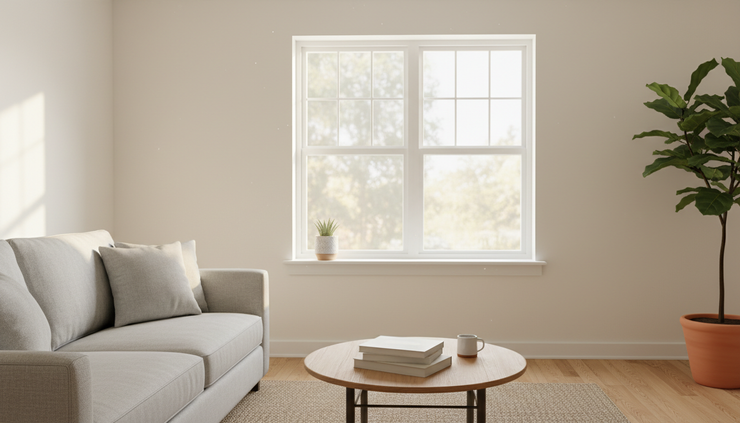
Take care of window problems before the first cold snap
Summer is hard on windows, but fall gives you a useful window of time to respond. Sticking sashes, foggy glass, warped frames, hot rooms, drafts, leaks, noise, and rising energy bills all deserve attention before colder weather puts your home to the next test.
Start with a careful inspection. Clean what you can, note what seems damaged, and watch for repeated problems after rain or temperature changes. If the issue affects comfort, security, moisture control, or energy use, get it checked sooner rather than later.
A well-sealed window should open smoothly, close securely, keep moisture out, and help your home feel comfortable in every season. If yours are falling short, fall is the right time to decide what comes next.


Comments